
National Agency for Food and Drug Administration and Control (NAFDAC) has raised an urgent alert over the circulation of a counterfeit batch of Herceptin 600mg, a widely used cancer treatment drug, in Nigeria.
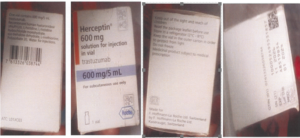 The warning follows confirmation from Roche Nigeria that a fake version of the medication bearing batch number A8519B34 was discovered in Lagos.
According to NAFDAC, the counterfeit product came to light after a customer reported being offered the drug by a pharmacist at a significantly reduced price of ₦50,000, far below the standard market value. This raised suspicion and prompted further investigation.
Roche Nigeria, the authorised distributor, compared images of the suspected product with genuine packaging and identified clear discrepancies, including:
Incorrect artwork
Wrong expiry date
Invalid 2D matrix code
The agency also confirmed that the batch number does not exist in the manufacturer’s records, making it impossible to trace.
About the Drug
Herceptin, also known as trastuzumab, is a prescription medicine used to treat certain types of breast and stomach cancer. It works by slowing or stopping the growth of cancer cells and is typically administered through injection or infusion.
NAFDAC warned that counterfeit cancer drugs pose serious dangers, including:
Treatment failure
Disease progression
Harmful side effects
Risk of death
Fake medicines may contain the wrong ingredients, incorrect dosage, or even harmful substances.
Regulatory Action
The agency has directed its officials nationwide to:
Intensify surveillance
Track and remove the counterfeit product from circulation
Healthcare professionals, importers, distributors, and the public have also been urged to remain vigilant and ensure medicines are sourced only from licensed suppliers.
NAFDAC is calling on Nigerians to:
Carefully check drug authenticity before purchase
Report suspicious or fake medicines to the nearest NAFDAC office
Report adverse reactions through official reporting platforms
The agency added that the case will be shared with the World Health Organization’s Global Surveillance and Monitoring System to support global tracking of counterfeit medicines.
This development highlights growing concerns over fake pharmaceuticals in Nigeria, especially life-saving drugs, and underscores the need for stricter monitoring within the healthcare supply chain.
The warning follows confirmation from Roche Nigeria that a fake version of the medication bearing batch number A8519B34 was discovered in Lagos.
According to NAFDAC, the counterfeit product came to light after a customer reported being offered the drug by a pharmacist at a significantly reduced price of ₦50,000, far below the standard market value. This raised suspicion and prompted further investigation.
Roche Nigeria, the authorised distributor, compared images of the suspected product with genuine packaging and identified clear discrepancies, including:
Incorrect artwork
Wrong expiry date
Invalid 2D matrix code
The agency also confirmed that the batch number does not exist in the manufacturer’s records, making it impossible to trace.
About the Drug
Herceptin, also known as trastuzumab, is a prescription medicine used to treat certain types of breast and stomach cancer. It works by slowing or stopping the growth of cancer cells and is typically administered through injection or infusion.
NAFDAC warned that counterfeit cancer drugs pose serious dangers, including:
Treatment failure
Disease progression
Harmful side effects
Risk of death
Fake medicines may contain the wrong ingredients, incorrect dosage, or even harmful substances.
Regulatory Action
The agency has directed its officials nationwide to:
Intensify surveillance
Track and remove the counterfeit product from circulation
Healthcare professionals, importers, distributors, and the public have also been urged to remain vigilant and ensure medicines are sourced only from licensed suppliers.
NAFDAC is calling on Nigerians to:
Carefully check drug authenticity before purchase
Report suspicious or fake medicines to the nearest NAFDAC office
Report adverse reactions through official reporting platforms
The agency added that the case will be shared with the World Health Organization’s Global Surveillance and Monitoring System to support global tracking of counterfeit medicines.
This development highlights growing concerns over fake pharmaceuticals in Nigeria, especially life-saving drugs, and underscores the need for stricter monitoring within the healthcare supply chain.
The warning follows confirmation from Roche Nigeria that a fake version of the medication bearing batch number A8519B34 was discovered in Lagos.
According to NAFDAC, the counterfeit product came to light after a customer reported being offered the drug by a pharmacist at a significantly reduced price of ₦50,000, far below the standard market value. This raised suspicion and prompted further investigation.
Roche Nigeria, the authorised distributor, compared images of the suspected product with genuine packaging and identified clear discrepancies, including:
Incorrect artwork
Wrong expiry date
Invalid 2D matrix code
The agency also confirmed that the batch number does not exist in the manufacturer’s records, making it impossible to trace.
About the Drug
Herceptin, also known as trastuzumab, is a prescription medicine used to treat certain types of breast and stomach cancer. It works by slowing or stopping the growth of cancer cells and is typically administered through injection or infusion.
NAFDAC warned that counterfeit cancer drugs pose serious dangers, including:
Treatment failure
Disease progression
Harmful side effects
Risk of death
Fake medicines may contain the wrong ingredients, incorrect dosage, or even harmful substances.
Regulatory Action
The agency has directed its officials nationwide to:
Intensify surveillance
Track and remove the counterfeit product from circulation
Healthcare professionals, importers, distributors, and the public have also been urged to remain vigilant and ensure medicines are sourced only from licensed suppliers.
NAFDAC is calling on Nigerians to:
Carefully check drug authenticity before purchase
Report suspicious or fake medicines to the nearest NAFDAC office
Report adverse reactions through official reporting platforms
The agency added that the case will be shared with the World Health Organization’s Global Surveillance and Monitoring System to support global tracking of counterfeit medicines.
This development highlights growing concerns over fake pharmaceuticals in Nigeria, especially life-saving drugs, and underscores the need for stricter monitoring within the healthcare supply chain.
Tags
Health